
Power Factor Correction for Manufacturing Facilities

Power Factor Correction for Manufacturing Facilities
Manufacturing sites are some of the most energy-intensive environments in the UK. With machinery, motors, compressors, conveyors, and lighting systems all working together, the demand on electricity is constant and often uneven. This creates unique challenges for efficiency, reliability, and cost control. One of the most effective ways to address these issues is through Power Factor Correction (PFC).
At Powerdown220, we help manufacturers take control of their power quality by implementing solutions that optimise performance, reduce waste, and protect critical assets. With energy costs continuing to rise and sustainability targets becoming more demanding, Power Factor Correction provides a practical and measurable step toward stronger operational resilience.
The Challenge of Power Quality in Manufacturing
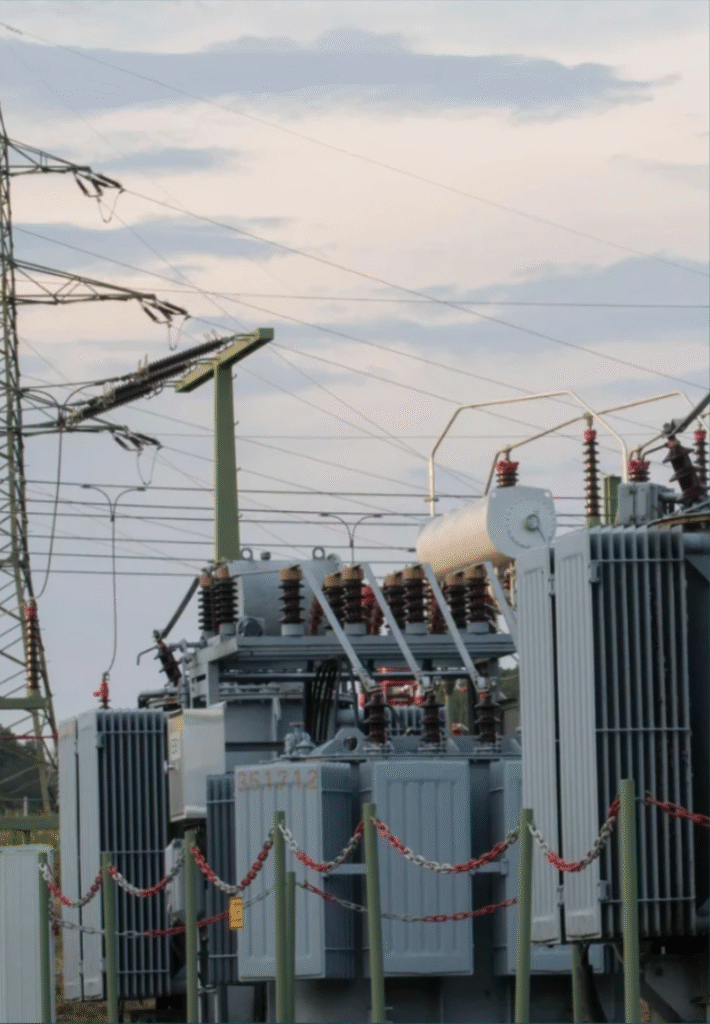
Unlike office spaces or retail environments, manufacturing facilities rely heavily on inductive loads. Equipment such as motors, welding machines, HVAC systems, and transformers draw reactive power, which lowers the site’s power factor. A low power factor means more current is required to deliver the same amount of useful power, increasing losses and putting extra strain on the electrical infrastructure.
The result is higher energy bills, greater wear on equipment, and in some cases, additional charges from electricity suppliers who penalise low power factor performance. For manufacturers operating on tight margins, this inefficiency can have a significant impact on profitability.
Beyond costs, poor power quality also creates operational risks. Overloaded circuits, overheating cables, and reduced equipment life are common consequences of unmanaged power factor. Left unaddressed, these issues lead to more downtime, higher maintenance costs, and greater safety concerns.
As a company we are united by set of values that drives forward the work that we do:
HONESTY
COMMITMENT
TEAMWORK
CONTINUED LEARNING
HARD WORK

How Power Factor Correction Supports Manufacturing Facilities
Power Factor Correction works by installing capacitor banks or active systems that compensate for the reactive power drawn by inductive loads. This improves the power factor, allowing electrical systems to operate more efficiently. The benefits for manufacturing facilities are substantial:
Reduced electricity costs by lowering reactive demand and avoiding supplier penalties
Improved capacity of electrical infrastructure, allowing facilities to handle more load without upgrades
Extended equipment lifespan due to reduced overheating and stress on motors and cables
Improved voltage stability, which supports more reliable performance of sensitive equipment
Lower carbon footprint, helping manufacturers progress toward sustainability targets
Importantly, Power Factor Correction is not a one-size-fits-all solution. The design must take into account the specific load profile of each facility, as well as operational patterns, peak demands, and long-term growth plans.

The Impact on Key Manufacturing Processes
For many facilities, Power Factor Correction is not just about saving on electricity bills but about protecting the processes that keep production running smoothly.
Motor-driven equipment: Motors are the backbone of manufacturing. When operating under a poor power factor, they draw more current, run hotter, and experience more wear. PFC reduces these stresses, leading to longer service life and lower maintenance costs.
Welding and fabrication equipment: These loads are highly inductive and create fluctuations in voltage that can affect both equipment and power quality across the site. PFC helps smooth these variations, improving reliability.
Compressed air systems: Air compressors are major consumers of power in many factories. With optimised power factor, compressors operate more efficiently, reducing both energy use and heat generation.
Lighting and HVAC: While often secondary to production equipment, these systems are still significant energy users. PFC contributes to more stable voltage and efficient operation across the entire facility.
Preparing for the Future
The UK energy landscape is evolving, with price volatility and stricter sustainability requirements becoming the new normal. For manufacturing businesses, the ability to operate efficiently is not just about saving money but about maintaining competitiveness in a challenging market.
Power Factor Correction is a proven, reliable, and cost-effective way to achieve this. By addressing inefficiencies at the source, manufacturers can unlock hidden savings, protect equipment, and strengthen their position for the future.
At Powerdown220, we partner with manufacturers across the UK to deliver smarter energy strategies that reduce waste and support long-term resilience. If you are looking to improve energy efficiency and strengthen your operations, Power Factor Correction is an essential step forward.