

Discover how UK businesses can achieve net-zero without upfront costs by combining fully funded solar with voltage optimisation. This innovative approach delivers immediate energy savings, reduces carbon emissions, and transforms energy from a cost burden into a long-term competitive advantage.
hello

Improving Electrical Safety and Reliability in Hospitals

Explore how hospitals can enhance electrical safety and reliability across critical systems. From ensuring uninterrupted power for life-saving equipment to improving power quality and compliance, this guide outlines key strategies to protect patients, support staff, and maintain consistent healthcare operations.
The Future of Business Energy: Combining Fully Funded Solar with Voltage Optimisation for Net-Zero
Learn how UK businesses can reach net-zero without upfront costs by combining fully funded solar with voltage optimisation. This powerful solution cuts energy costs, boosts efficiency, and turns sustainability into a competitive advantage.
AI for Carbon Reporting & Net – Zero Planning in the Public Sector

AI-powered carbon reporting is transforming how public sector organisations track emissions and plan for net-zero. By automating data collection and improving accuracy, it reduces administrative burden, strengthens compliance, and enables smarter, more efficient environmental decision-making.
How voltage optimisation reduces energy in hospitality

Learn how voltage optimisation helps hospitality businesses cut energy costs while maintaining guest comfort. This guide explores how hotels can reduce electricity waste, improve efficiency, and boost profitability with a proven, sustainable solution.
Reducing Harmonics in Factories: How Active Power Harmonic Filters Protect Industrial Equipment
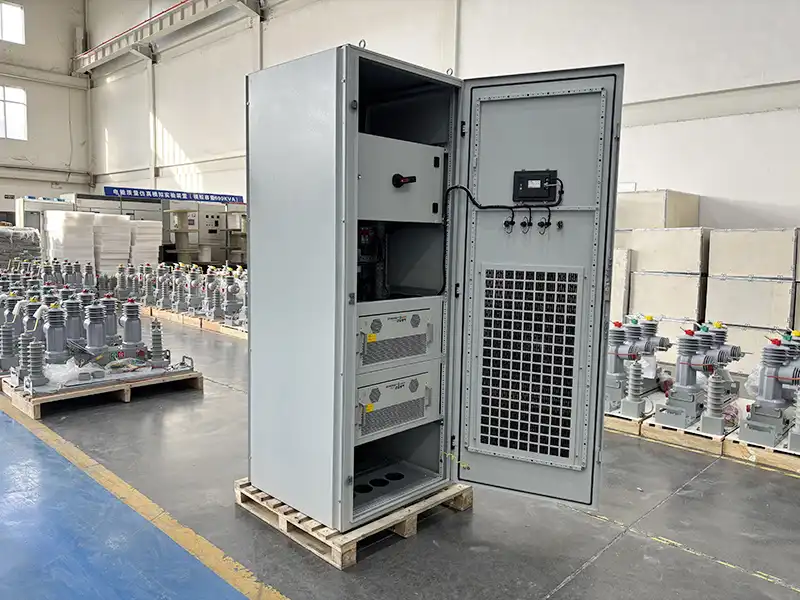
Active power harmonic filters safeguard industrial equipment by eliminating harmful electrical distortion that leads to failures, downtime, and rising energy costs. By improving power quality in real time, manufacturers can enhance efficiency, protect machinery, and maintain consistent production performance.
Why UK Businesses Are Still Wasting Energy at 242V and How Voltage Optimisation Fixes It in 2026

Excess supply voltage, often around 242V, continues to drive hidden energy waste across UK businesses. Voltage optimisation provides a practical solution by reducing unnecessary consumption, lowering costs, and improving efficiency without disrupting operations.
Voltage Optimisation vs Power Factor Correction vs Solar: Which Energy Solution Does Your Business Need?
Choosing between voltage optimisation, power factor correction, and solar depends on your business’s energy usage and goals. Each solution targets different inefficiencies, and understanding their benefits helps you reduce costs, improve efficiency, and meet sustainability targets with confidence.
The True ROI of Voltage Optimisation: What Your Business Can Expect Within 12 Months
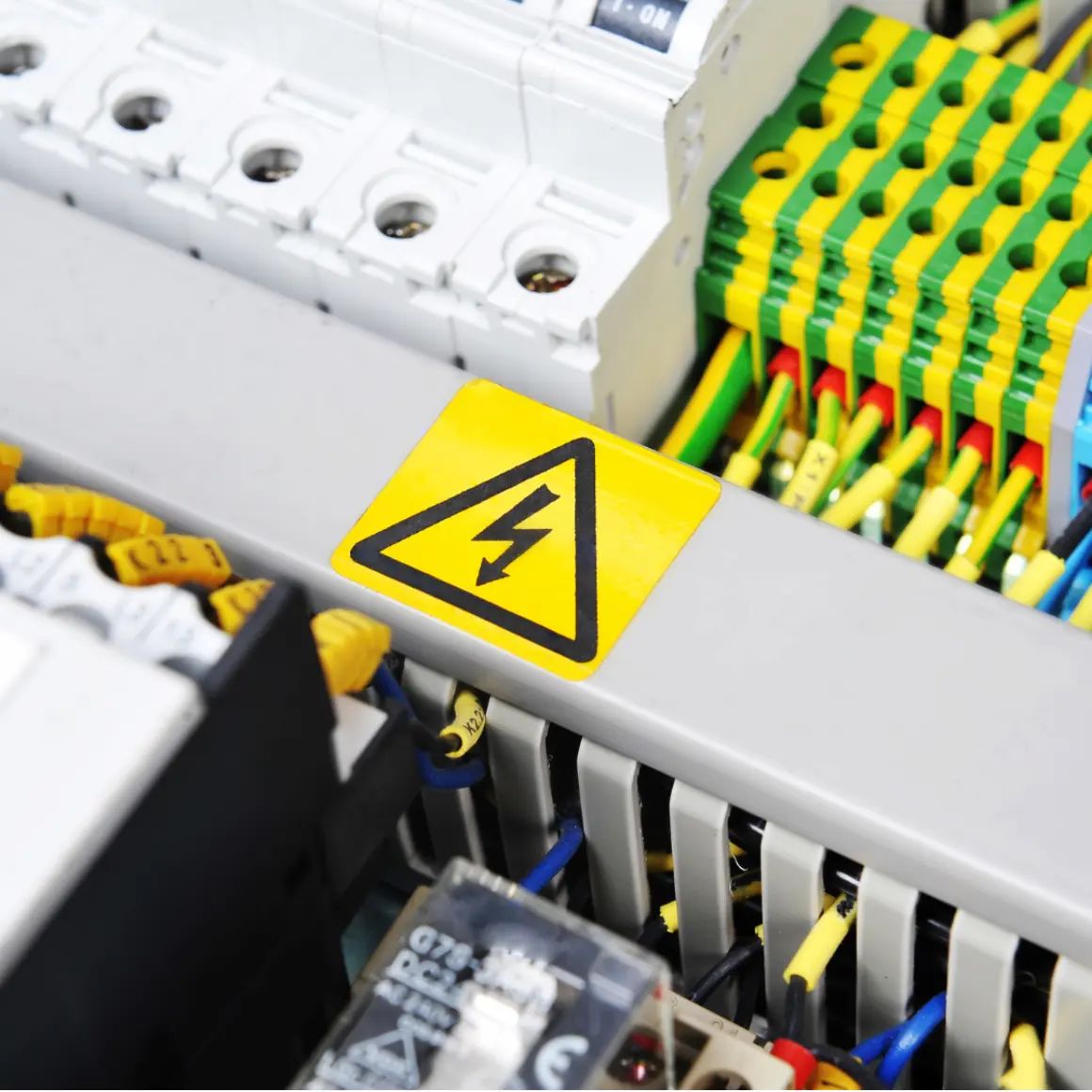
Voltage optimisation delivers measurable energy savings by reducing excess supply voltage, helping many businesses achieve a return on investment within 12 months. With improved efficiency and lower operating costs, it offers a practical path to faster payback and long-term savings.
How Voltage Optimisation Supports ESG Goals for UK Manufacturers

Voltage optimisation helps UK manufacturers reduce energy consumption, cut carbon emissions, and extend equipment lifespan—supporting ESG goals while lowering operational costs. It provides a practical, measurable way to improve efficiency and meet compliance requirements like SECR and ESOS.