

Accurately measuring energy savings is essential for UK manufacturers looking to reduce costs and improve efficiency. By tracking consumption, analysing performance, and validating improvements, businesses can clearly demonstrate financial savings and progress towards sustainability goals.
hello

Reduction in Renewable Energy Costs: What You Need to Know

Falling renewable energy costs are creating new opportunities for UK businesses to reduce expenses and accelerate sustainability goals. By combining renewable generation with energy efficiency technologies, organisations can maximise savings and gain a stronger competitive advantage.
Define Voltage: Why It’s More Than Just a Number

Voltage is more than a technical figure—it directly impacts how efficiently your business uses electricity. Managing excess voltage helps reduce energy waste, lower costs, protect equipment, and support sustainability goals without disrupting daily operations.
Leading Vs Lagging Power Factor Correction | What Is The Difference?

Power factor correction improves electrical efficiency by addressing both lagging (inductive) and leading (capacitive) imbalances. By optimising power quality, businesses can reduce energy waste, lower costs, and protect their electrical infrastructure from unnecessary strain.
How to Reduce Electrical Costs in Offices Without Downtime

Reducing electrical costs in offices doesn’t have to mean disrupting your team. From voltage optimisation and LED upgrades to smarter heating controls, this guide explains how to cut energy use without compromising comfort or performance.
What Is Power Factor Correction and Why Does It Matter?
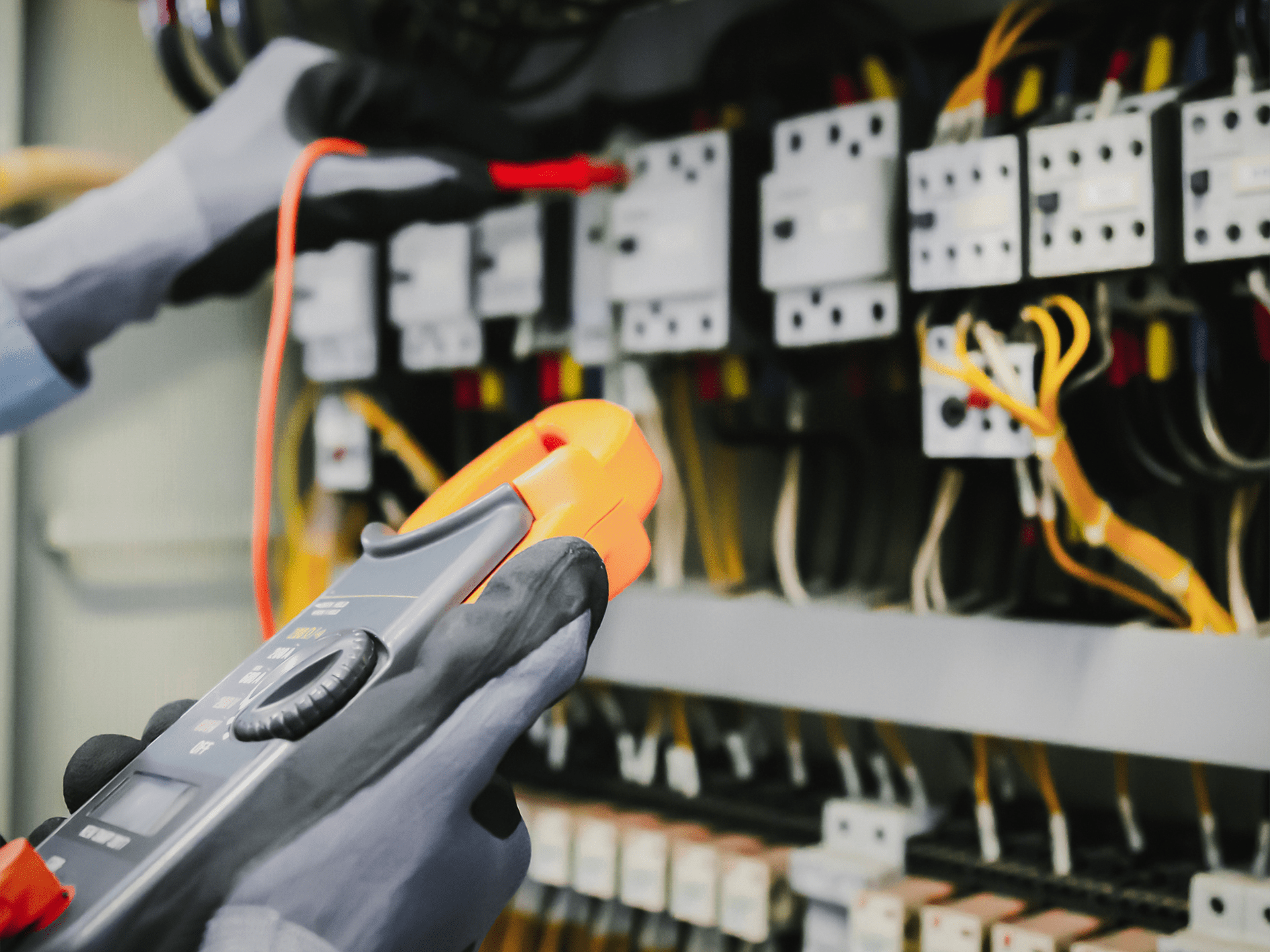
Power Factor Correction helps businesses reduce wasted energy, lower electricity bills, and improve equipment performance. In this guide, we explain how it works, why it matters, and how your business can benefit—especially if you’re running energy-intensive systems like motors, HVAC, or IT infrastructure.
Why Large Retail Chains Are Investing in Voltage Optimisation

Rising energy bills aren’t always about increased usage — they’re often a sign of inefficiency. In this guide, we break down how to calculate your business’s energy consumption and uncover the hidden factors driving up costs, including overvoltage and wasted power.
How Will Installing a Powerdown220 Voltage Optimiser Affect My Electrical Equipment and Appliances?
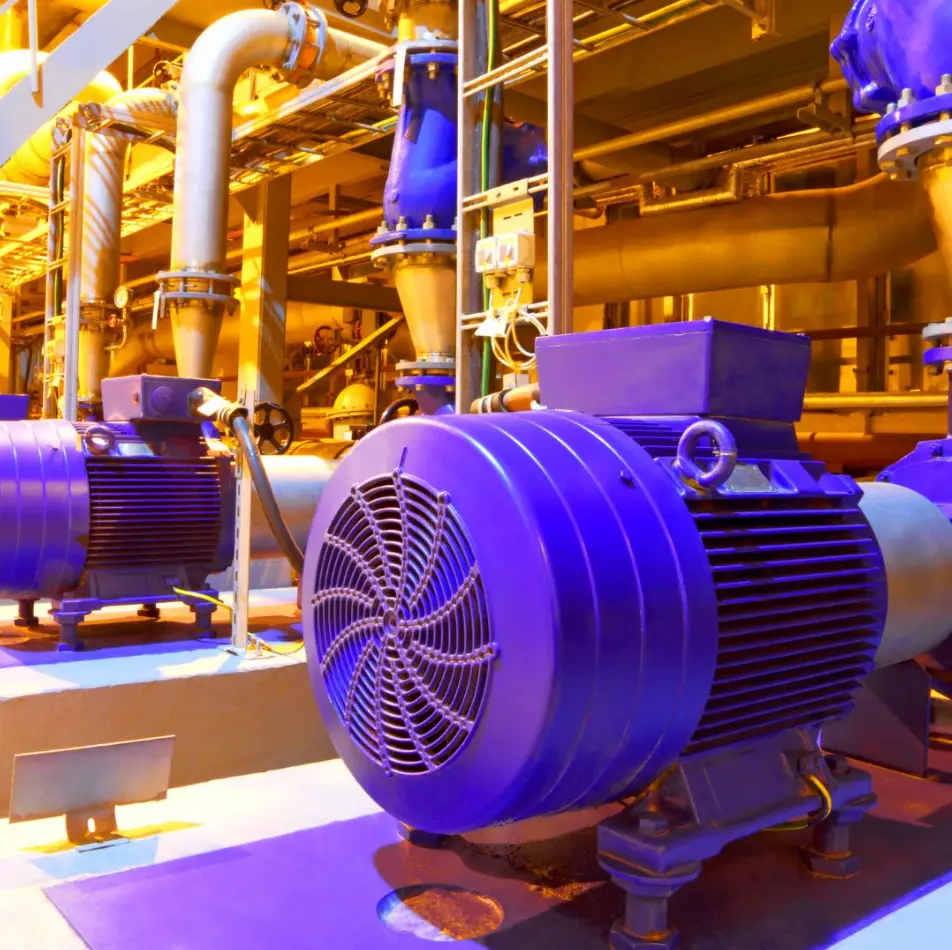
Installing a voltage optimiser won’t damage or reduce the performance of your electrical equipment. In fact, it improves efficiency and extends lifespan by delivering the correct voltage. Powerdown220’s systems are fully compliant with UK and EU standards and reduce energy waste without disruption.
Voltage Dependent vs Voltage Independent Equipment: Maximising Energy Savings through Voltage Optimisation
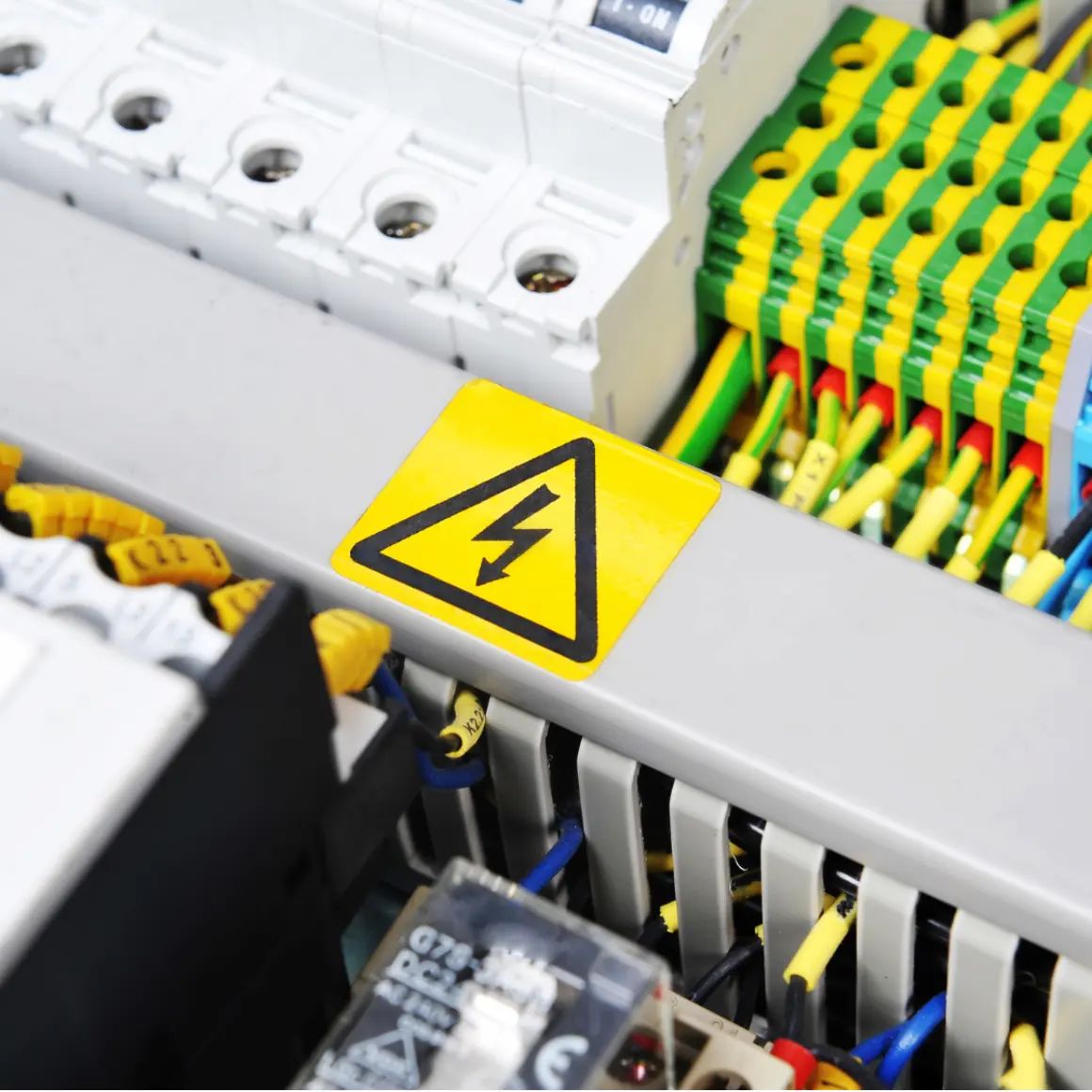
When considering voltage optimisation as part of your energy efficiency strategy, one crucial factor is often overlooked: the type of equipment in use. Whether your systems are voltage dependent or voltage independent can significantly affect the level of savings you’ll achieve.
Dispelling a Common Engineering Myth: Does Reducing Voltage Increase Current?

Voltage optimisation is a proven way to reduce energy waste, yet one common question still lingers: if you reduce voltage, won’t current rise and cancel out the savings?