Solar PPA: Get Solar With No Upfront Capital Cost

A solar PPA lets your business benefit from solar-generated electricity from day one, without owning the system or spending capital. You pay for the units you use at an agreed rate below your current tariff. The funder owns, insures and maintains the panels. You get the savings.

No obligation. We will tell you whether a PPA makes sense for your site before you commit to anything.

What a Solar PPA and How It Works

PPA stands for Power Purchase Agreement. Powerdown220 installs a solar array on your premises, owns it, insures it, and keeps it maintained. You agree to buy the electricity it generates at a fixed or indexed rate per kilowatt-hour, set below what you currently pay for grid electricity. The saving is the difference between that rate and your grid tariff, and it starts immediately.

There is no equipment to purchase, no installation cost to fund, and no ongoing maintenance responsibility. For finance decision-makers, the arrangement is typically off the balance sheet, which means it does not compete with capital projects or affect borrowing headroom. At the end of the agreed term, you can buy the system at a residual value, extend the agreement, or have the equipment removed.

Why Businesses Choose a
Solar PPA

Zero upfront cost. Powerdown220 funds the full installation. There is no capital approval to secure, no balance sheet impact, and no competition with other investment priorities.

Savings from day one. You pay a below-tariff rate for solar-generated electricity from commissioning. As grid tariffs rise, the value of that fixed or indexed PPA rate increases.

No maintenance or ownership risk. Powerdown220 owns and maintains the system for the full contract term. If it underperforms, that is our problem, not yours.

Predictable energy cost. [VERIFY: confirm whether the PPA rate is fixed for the term or indexed, and against what measure.] A fixed rate provides certainty for energy budget forecasting across the contract duration.

Flexible end-of-term options. At contract end, buy the system at residual value, extend on new terms, or arrange removal. Most businesses choose to buy at this stage since the system has been fully funded through contract payments.

How a Solar PPA Works, Step by Step

Site assessment and eligibility

Powerdown220 assesses roof area, grid connection, energy consumption and lease status at no cost and with no obligation. If the site is not a strong fit for a PPA, we will say so upfront and discuss alternatives.
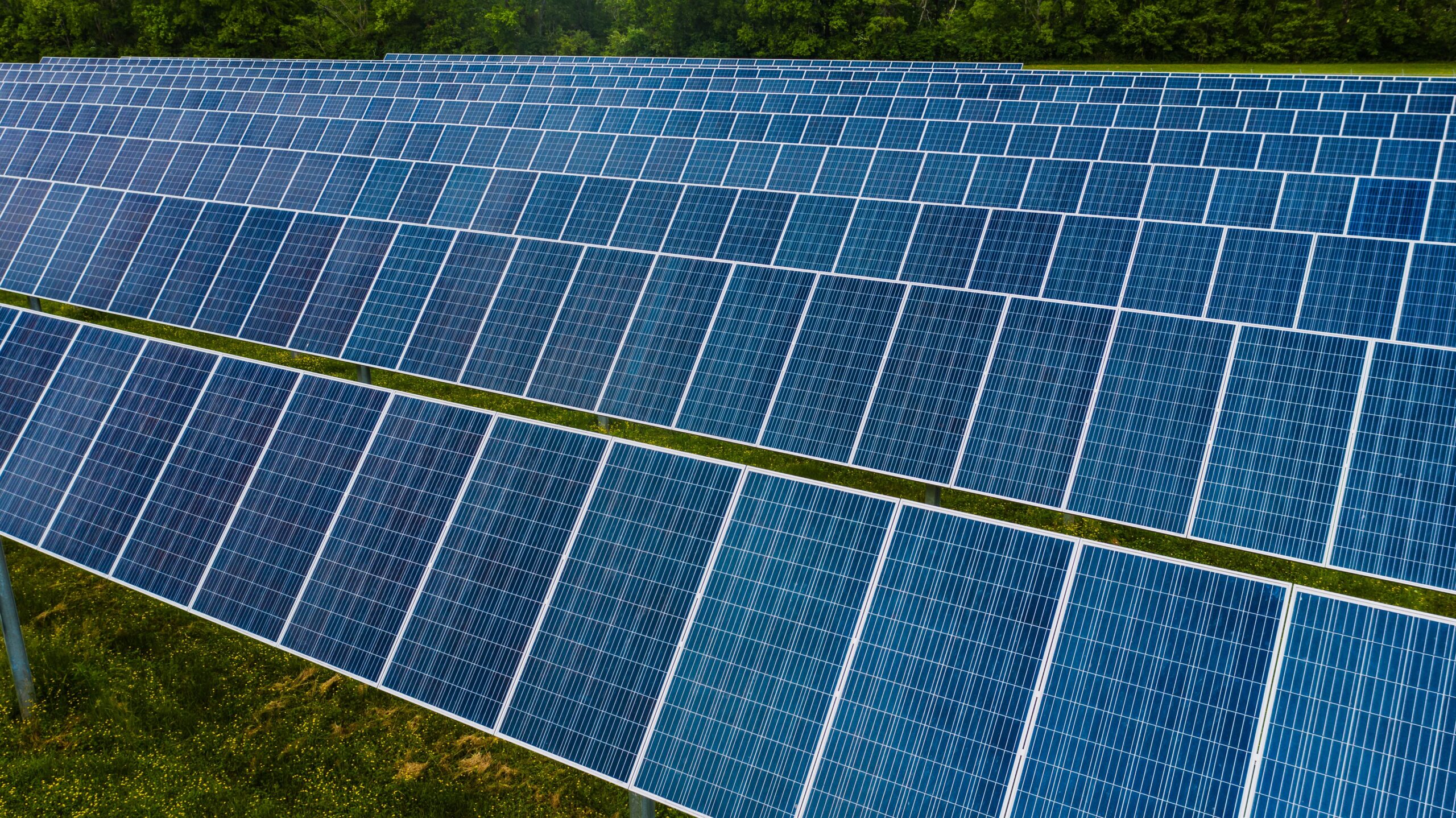
System design and savings projection

A generation model is built for the specific site, factoring in orientation, shading, roof pitch and local irradiance data. The projected annual saving is set out in writing before any contract is proposed, so the financial case is clear and verifiable before a decision is made.
Live operation and billing

You are billed at the agreed PPA rate for the solar electricity your site consumes. Powerdown220 monitors the system and handles all maintenance throughout the contract. You pay the lower rate and keep the saving.

PPA Pricing: Fixed Versus Indexed

A fixed-rate solar PPA sets the per-unit price for the full contract term. The saving relative to grid electricity grows as grid prices rise, and the rate is straightforward to model for budget forecasting. This is the structure most finance teams prefer for its certainty.

An indexed PPA links the rate to a measure such as the retail price index, adjusted annually. This can produce a lower starting rate but introduces variability over the term. The right choice depends on the business’s appetite for predictability versus flexibility in its energy cost modelling.

PPA Versus Buying Outright Versus Leasing

The right funding structure depends on the business’s capital position, how it accounts for assets, and its time horizon on the premises.

Outright purchase produces the highest total return because the business owns all the savings and the asset from day one. There is no funding cost to absorb, and the full saving flows to the bottom line from commissioning. Where capital is available and the business wants to own the asset, this is the stronger long-term financial outcome.

A solar PPA requires no capital and removes maintenance and ownership risk. The net saving is lower than outright purchase because the PPA rate covers the funder’s costs, but the saving is real, it starts immediately, and it does not require balance sheet commitment. For businesses where capital is constrained or already earmarked, the PPA delivers a better outcome than deferring the project.

A lease or loan sits between the two. The business owns the asset from day one and keeps the full saving, but carries a repayment obligation that reduces the net benefit during the loan term. It requires creditworthiness and affects the balance sheet, but avoids the long-term contract commitment of a PPA.

The right choice depends on capital availability, accounting treatment preferences, and how long the business expects to remain on the premises.

Eligibility, Risks and What to Check Before You Sign

Find out if your site qualifies for a Solar PPA

We assess the site, model the generation and give you a clear savings projection with no obligation to proceed.

Plain Contract Terms. No Hidden Catches.

The most common concern about a solar PPA is what the contract contains that has not been explained upfront. The four things worth understanding clearly before signing are the rate structure and how it changes over the term, who is responsible for maintenance and insurance, what the end-of-term options are, and what happens if the business moves or the building is sold.

Powerdown220 sets out each of these in plain terms before any contract is presented. The savings projection, the PPA rate, the maintenance responsibilities and the exit provisions are confirmed in writing at the proposal stage. Independent legal and accounting advice is recommended before signing, and we will provide whatever information those advisers need.

Related Solutions

Find Out What a Solar PPA
Would Save Your Business

Powerdown220 assesses the site, models the generation, sets out the PPA rate and savings projection in writing, and answers every question about the contract before you make any decision.

Frequently Asked
Questions

What is a solar PPA?

A solar power purchase agreement is a contract under which Powerdown220 installs a solar array on your premises, owns it, and maintains it for the contract term. You pay a fixed or indexed rate per kilowatt-hour for the electricity it generates, set below your current grid tariff. There is no upfront cost. At the end of the term, you can buy the system, extend the agreement, or have the equipment removed.

Buying solar outright requires capital but gives your business the full saving and the asset from day one, producing the highest total return over the system’s life. A solar PPA requires no capital and removes maintenance and performance risk, at the cost of a lower net saving because the PPA rate covers the funder’s costs. The right choice depends on capital availability and whether the business prefers to own the asset.

Powerdown220 maintains the solar system for the full contract term, covering inverter replacement, panel cleaning, monitoring and fault rectification. If the system underperforms against the projected generation, Powerdown220 is responsible for addressing it.

At the end of the contract, the typical options are to buy the system at an agreed residual value, extend the agreement for a further term, or arrange removal of the equipment. Most businesses choose to buy at this stage since the system has been fully funded through contract payments.

Commercial solar PPAs typically run for 10 to 25 years. A longer term allows a lower per-unit PPA rate. The term needs to be compatible with the remaining lease length on the premises if the site is leased rather than owned.

The PPA needs to be addressed as part of any building sale or relocation. Options typically include assigning the contract to the incoming occupant or owner, terminating on agreed terms, or buying out the remaining contract.

Whether a PPA is treated as off balance sheet depends on the specific contract terms and the accounting standards the business reports under, including IFRS 16 for IFRS reporters. Powerdown220 will provide the contract details needed for your accountants to advise on the correct treatment.

Yes. Battery storage can be included alongside solar within the funded PPA arrangement, allowing the site to maximise self-consumption and reduce peak demand charges. See the commercial solar battery storage page for detail on how storage changes the economics of a solar installation.