Zero-Capex Energy Efficiency: How Fully Funded Voltage Optimisation and Solar Work
It is possible to cut a commercial electricity bill significantly without spending any capital. The energy savings fund the project cost. The organisation keeps the surplus from day one. This is not a lease, not a loan, and not a hire-purchase arrangement. It is a funded energy project structure that removes the single most common reason efficiency investments do not happen: the capital expenditure conversation.
This guide explains how the model works, what it covers, what the trade-offs are compared to buying outright, and the site profiles it suits best.
Why Capital Is the Usual Blocker
Energy efficiency projects have a strong financial case on paper. Payback periods under 18 months, guaranteed savings, a decade or more of reduced costs. But the capital expenditure required to install the equipment sits on the balance sheet, competes with other investment priorities, and requires approval through a capital budgeting process that can take months to navigate and still result in a no.
This is not a niche problem. It is one of the most consistent reasons that commercially sound energy projects do not proceed. The project economics are fine. The capital constraint is real. The result is that the savings continue to not happen while the approval process runs.
The funded model is designed specifically for this situation. If the project does not require capital, it does not enter the capital budgeting process in the same way. The decision moves from “can we afford to spend this” to “do we want to reduce our energy bill starting this year, at no cost to do so.”
How the Funded Model Works
Under a zero-capital arrangement, Powerdown220 funds and installs the energy efficiency equipment. The site begins making savings immediately. A portion of those savings covers the project cost over an agreed period. The organisation retains the rest. At the end of the funding term, the equipment is owned outright and all savings go directly to the bottom line. For a detailed look at the return on investment from voltage optimisation specifically, that covers the financial mechanics in full.
The structure that makes this work is a Power Purchase Agreement (PPA) or equivalent funded project arrangement. The key features are: no upfront capital payment, savings from the installed equipment are measured and verified, the project cost is recovered from those savings over the funding term, and a savings guarantee underpins the arrangement so the organisation is not exposed to underperformance risk.
The savings guarantee is worth understanding properly. It is not a marketing claim. It is a contractual commitment that the savings delivered will meet the projected level. If they do not, the difference is made good. This transfers the performance risk from the buyer to Powerdown220, which is a meaningful protection given that the savings are what fund the project.
Confirm the specific terms, funding structure and guarantee wording applicable to your project with Powerdown220 directly before proceeding. The structure described here reflects the general model; project-specific details will be confirmed during the assessment stage.
What the Funded Model Can Cover
The funded model applies to fully funded voltage optimisation and solar as a combined project, or to voltage optimisation as a standalone funded installation.
Voltage optimisation is well suited to the funded model because the savings are predictable and consistent from commissioning. The voltage dependency survey that precedes installation produces a savings projection accurate to within 1%, which means the funding structure can be built on a reliable baseline rather than a range. Typical savings for Powerdown220 customers are 7 to 12% on electricity costs, with the exact figure depending on the site’s incoming voltage and load profile.
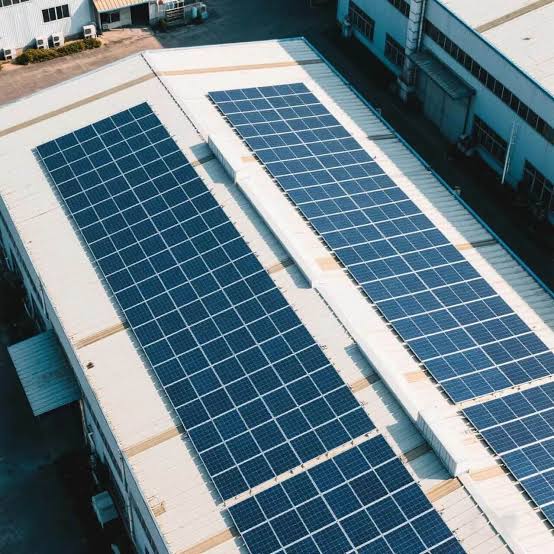
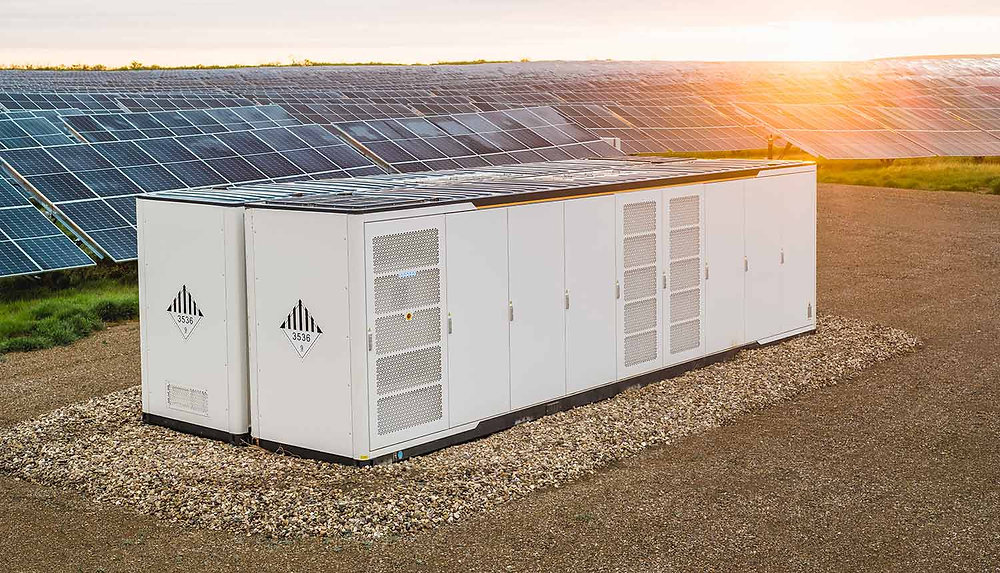
Solar photovoltaic generation is often paired with voltage optimisation in a combined funded project, particularly for sites with available roof or ground space and a load profile that aligns well with daytime generation. The two work together: solar reduces grid consumption during generation hours, and voltage optimisation reduces the cost of what the site does draw from the grid. Combined, the saving is larger and the funding case is stronger.
Both solutions are UK-manufactured and ISO-certified. The funded model does not change the specification of the equipment; it changes how it is paid for.
The Catch, Honestly
A funded model is not always the optimal financial structure for every organisation. The honest comparison is this: buying the equipment outright, where budget allows, will generally produce a higher total return over the life of the installation, because there is no funding cost to absorb. The funded model is structured to ensure the organisation is better off than doing nothing, and that is a straightforward case to make. But it is not the same as an outright purchase where the full saving goes directly to the bottom line from day one.
The funding term also commits the organisation to the arrangement for its duration. This is worth considering in the context of lease terms for the premises, planned site changes, and ownership structure. For owned premises with a stable long-term outlook, the funded model is straightforward. For shorter-tenure or more complex arrangements, it is worth discussing the specific terms with Powerdown220 before proceeding.
What the model removes is the capital barrier and the performance risk. What it does not do is produce a higher return than an outright purchase over the same period. Both of these things can be true, and organisations should make the comparison with full information rather than treating the funded route as the obvious default.
Is It Right for Your Organisation?
The funded model tends to suit organisations where one or more of the following applies.
Capital budgets are constrained or fully allocated. The funded model bypasses the capex conversation. If the choice is between a funded project that starts saving this year and an unfunded project that waits for the next capital cycle, the funded route is usually the better outcome.
The site has a significant electricity spend. Voltage optimisation savings are proportional to consumption. Sites spending substantially on electricity generate savings large enough to fund the project cost within a reasonable term while still retaining a material benefit from the outset.
The premises are owned or held on a long lease. A funding arrangement runs for a defined term. Owned premises or long leases provide the stability to make the commitment straightforwardly. Shorter or uncertain tenure warrants a closer look at the terms.
Multi-site estates looking to roll out quickly. A funded model allows multiple sites to be equipped in a single programme without requiring capital allocation for each. The savings from early sites can support the funding case across the estate.
The voltage dependency survey and savings assessment confirm whether the project economics are strong enough to support a funded structure at your specific site. That is a free assessment with no commitment required.
Frequently Asked Questions
Can I get voltage optimisation with no upfront cost?
Yes, through Powerdown220’s fully funded project model. The installation is funded, the savings pay for the project over an agreed term, and the organisation retains the balance of savings throughout. At the end of the term, the equipment is owned outright. Confirm the specific terms applicable to your project with Powerdown220 during the assessment stage.
How does zero-capex energy funding work?
Powerdown220 funds and installs the voltage optimisation or combined solar and voltage optimisation equipment. The savings generated by the installation are measured and verified. A portion covers the project cost over the funding term; the organisation keeps the rest. A savings guarantee underwrites the projected saving, so the risk of underperformance sits with Powerdown220 rather than the buyer.
What is the difference between buying and funding the equipment?
Buying the equipment outright eliminates the funding cost and maximises the total return over the equipment’s life, where capital is available. The funded model removes the capital requirement and the performance risk, making the project accessible without a capex commitment. The funded route is better than doing nothing in every case where the savings exceed the funding cost, which the assessment will confirm before any commitment is made.
Is there a savings guarantee?
Yes. Powerdown220’s funded projects include a savings guarantee: a contractual commitment that the savings delivered will meet the level projected. If savings fall short, the difference is made good. This is what transfers performance risk away from the buyer and makes the funded model a reliable proposition rather than a speculative one. Confirm the specific guarantee terms applicable to your project with Powerdown220 directly.
If capital constraint is what is standing between your organisation and a lower electricity bill, the fully funded voltage optimisation and solar model is worth a closer look. Use the free savings calculator to get an initial indication of what your site could save, then contact our team to arrange a no-obligation assessment. The assessment is free, the savings projection is accurate to within 1%, and there is no commitment required before you decide.