Is Battery Storage Worth It for Your Business? An Honest Assessment
Battery storage is increasingly being offered alongside commercial solar, and there is genuine interest in whether it adds up financially. The answer is not a simple yes or no. For some businesses, adding storage significantly strengthens the overall investment case. For others, it extends the payback without delivering proportionate benefit.
This post sets out what battery storage actually does for a commercial site, the conditions under which it makes financial sense, and the questions worth asking before committing to the additional cost. This is written for commercial and industrial businesses, not domestic customers.
What Does Battery Storage Do for a Business?
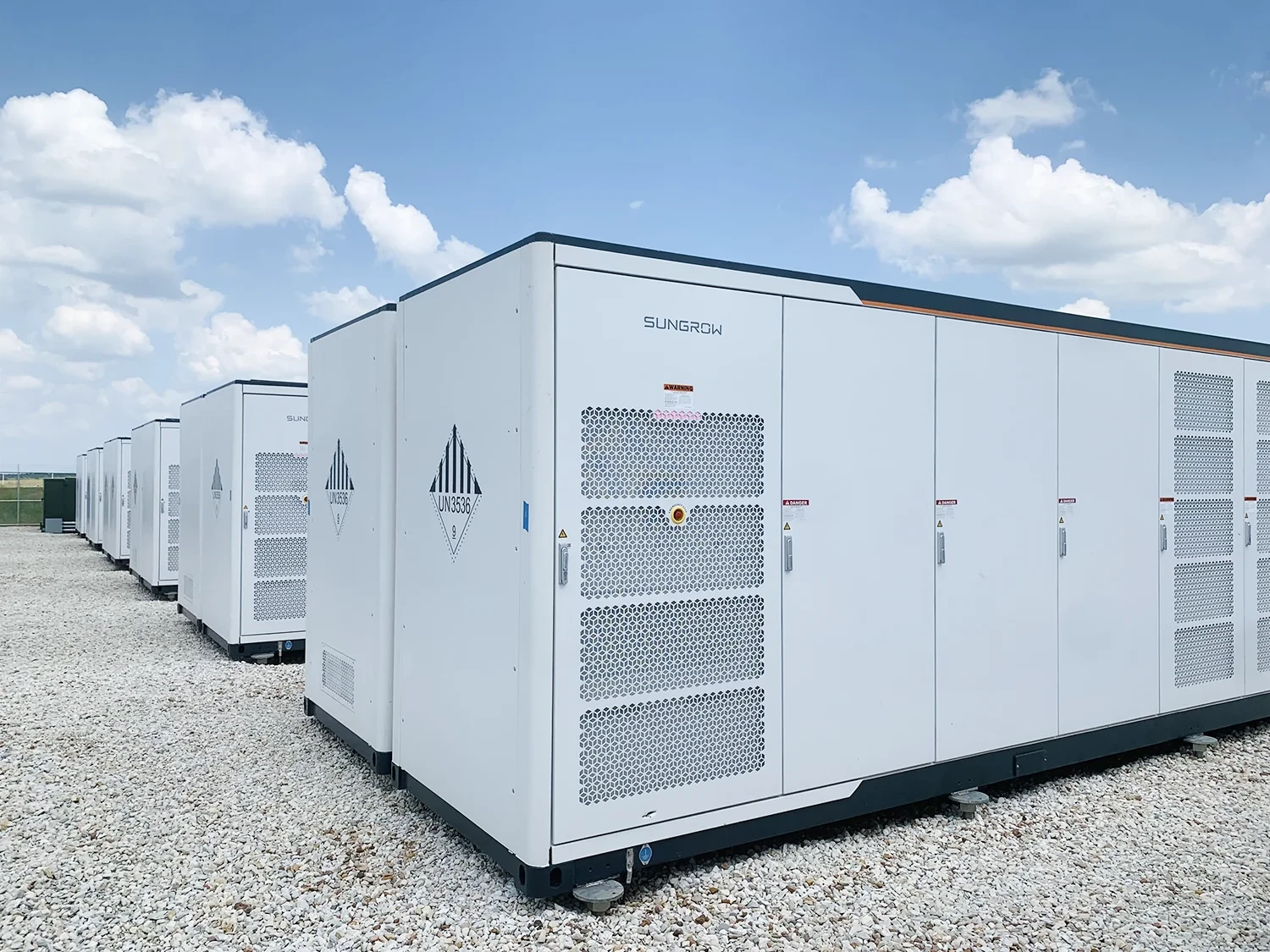
A commercial battery storage system stores electricity, either from an on-site solar array or from the grid at low-rate periods, and releases it when the site needs it. The benefit is control over when electricity is used and, by extension, where it comes from.
Without storage, a solar array generates electricity during daylight hours, and any generation that exceeds the site’s instantaneous consumption is either exported to the grid at the Smart Export Guarantee rate, which is generally much lower than the import tariff, or wasted if there is no export route. With storage, that surplus generation is captured and used later in the day or evening, displacing grid imports at the full tariff rate.
Beyond solar self-consumption, storage also enables a site to manage when it draws from the grid, which matters for businesses with peak demand charges or time-of-use tariff exposure.
The Three Main Ways Battery Storage Creates Value
1. Increasing solar self-consumption
The most common reason commercial businesses add battery storage is to capture solar generation that would otherwise be exported. If a site generates more solar electricity than it can consume in real time, that surplus goes to the grid at the SEG rate. Adding storage allows the surplus to be held and used later, typically in the afternoon or evening when solar generation drops but site consumption continues.
The value of this depends on the gap between the site’s import tariff and its SEG export rate. The larger the gap, the more valuable each unit of stored solar generation becomes. For sites that currently export a significant proportion of their solar generation, storage can materially improve the overall return on the solar investment.
2. Peak demand reduction and avoidance of high-rate grid periods
Half-hourly metered commercial sites are billed partly on their peak demand. Businesses on time-of-use distribution tariffs also face higher charges during red-band periods, which are typically weekday late afternoons in winter. A battery system can discharge during these periods, flattening the peak and avoiding the highest grid charges.
For sites with significant peak demand charges or meaningful time-of-use tariff exposure, this can be one of the most financially valuable functions of storage. It is separate from and additional to the self-consumption benefit, and for some sites it can make a larger difference to the overall payback than the solar self-consumption element alone.
3. Business continuity and resilience
For some businesses, battery storage provides a degree of operational resilience in the event of a grid outage. Whether this justifies the additional cost depends on how critical uninterrupted power is for the business. For sites where a grid outage causes significant production loss, data loss, or other material operational impact, the value of resilience may be substantial. For sites where a short outage is a minor inconvenience, it is unlikely to drive the investment decision.
When Is Battery Storage Most Likely to Be Worth It?
Storage has the strongest financial case where one or more of the following conditions apply:
- The site has an on-site solar array and currently exports a significant proportion of its generation
- The site pays substantial peak demand charges or is on a time-of-use tariff with a meaningful spread between peak and off-peak rates
- The site has significant electricity consumption in the evenings or at times when solar generation is low
- The site is on a half-hourly metered tariff and has identifiable demand peaks that could be flattened
- Business continuity is a requirement and the cost of an unplanned outage is significant
When Might Storage Be Harder to Justify?
Storage adds less value, or may not justify the additional cost, in the following situations:
High solar self-consumption already without storage
If a site already consumes most of its solar generation during the day, there is little surplus to store. The self-consumption benefit of adding storage is small. In this situation, it is worth examining whether the peak demand or time-of-use benefits are sufficient to justify the cost, or whether the investment case is stronger as outright solar without storage. The commercial solar panels worth it guide covers the solar-only case in more detail.
Flat tariff with no time-of-use structure
The peak demand and time-of-use benefits of storage only materialise where the tariff structure creates value for shifting consumption. A site on a flat unit-rate tariff with no demand charge component will only benefit from the solar self-consumption function of storage, and may see a weaker overall business case as a result.
No on-site solar generation
Battery storage without solar can still create value for sites with significant time-of-use tariff exposure or peak demand charges, by charging at off-peak grid rates and discharging at peak times. However, without the additional self-consumption benefit of solar, the case rests entirely on the tariff spread and demand charge reduction. This can work well for some sites, but the economics are more dependent on tariff structure than solar-plus-storage.
What Does Payback Look Like for Commercial Battery Storage?
Payback on commercial battery storage depends on the combination of savings drivers that apply to the site. A site that benefits from all three functions, solar self-consumption, peak demand reduction, and time-of-use arbitrage, will see a stronger payback than one where only one of these factors applies.
Payback projections should be based on actual half-hourly consumption data, the site’s real tariff structure, and a realistic assessment of how much stored energy the site will actually use at the right times. Projections based on assumed rather than real consumption data can be significantly optimistic.
Questions to Ask Before Committing
Before deciding whether battery storage is worth it for a specific site, it is worth working through the following:
- What proportion of the site’s solar generation is currently exported rather than consumed on site?
- Does the site pay peak demand charges, and how significant are they?
- Is the site on a time-of-use tariff with a meaningful spread between peak and off-peak rates?
- What is the site’s electricity consumption profile outside daylight hours?
- Is business continuity a genuine requirement, and what would an unplanned outage cost?
- What is the capital cost of the storage addition relative to the projected savings?
- Is the storage being added to new solar, or retrofitted to an existing array, and what are the integration costs?
How Is Commercial Battery Storage Funded?
As with solar, the upfront capital cost is the most common barrier. A solar PPA can cover solar and storage together under a funded arrangement with no upfront cost. The installer owns and maintains the system, and the business pays a below-tariff rate for the electricity it generates. Total return over the term is lower than outright purchase, but savings begin from day one without capital commitment.
A fully funded arrangement pairing solar with voltage optimisation is also available for qualifying sites, where voltage optimisation and solar are deployed together under a single funded project.
How to Find Out Whether Storage Is Worth It for Your Site
The only way to answer this with confidence is a site-specific assessment. This involves analysing the site’s half-hourly consumption data, the current tariff structure, the solar generation profile, and the proportion of generation that is currently exported rather than consumed. From that analysis, it is possible to size the storage correctly and produce a realistic payback projection.
Powerdown220 offers a free site survey for UK commercial and industrial sites covering solar, storage, or both. Use the free savings calculator for an initial estimate based on your energy spend, then contact our team to arrange a full assessment. The survey is carried out before any commitment is made and covers costs, savings, payback, and funding options.
Frequently Asked Questions
Is battery storage worth it for a commercial business?
For some businesses, yes. The financial case is strongest where the site exports a significant proportion of its solar generation, has meaningful peak demand charges or time-of-use tariff exposure, or requires operational resilience. For businesses without these characteristics, the additional cost of storage may not be justified. A site-specific assessment is necessary to determine whether it makes sense for a particular business.
How much does battery storage save a commercial business?
Savings from commercial battery storage depend on the combination of savings drivers that apply to the site: solar self-consumption, peak demand reduction, and time-of-use arbitrage. A realistic savings estimate requires actual half-hourly consumption data and the site’s real tariff structure, not assumed or averaged figures.
Does battery storage work without solar?
Yes, battery storage without solar can create value for sites with significant time-of-use tariff exposure or peak demand charges, by charging from the grid at low-rate periods and discharging at peak times. The economics depend on the tariff spread and the site’s demand profile. Without the solar self-consumption benefit, the case rests more heavily on tariff structure.
What is the lifespan of a commercial battery system?
Commercial battery systems have a rated cycle life, which is the number of charge and discharge cycles the battery can complete before its capacity degrades below the warranted level. Both the warranty period in years and the warranted number of cycles matter for long-term cost of ownership.
Can battery storage provide backup power for my business?
Commercial battery storage can provide a degree of backup during a grid outage, but the extent of backup available depends on the battery capacity and the site’s critical load. A system sized primarily for solar self-consumption and peak demand management may not have sufficient capacity to power the whole site for an extended outage. If resilience is a requirement, it should be stated explicitly so the system can be sized and configured accordingly.
Should I add battery storage to my existing solar installation?
Retrofitting storage to an existing solar array is possible, though the integration requirements depend on the inverter already installed. Costs are typically higher than installing solar and storage together as a new project. Whether it is worth adding storage to an existing installation depends on how much solar generation the site currently exports and whether the site has significant peak demand or time-of-use savings opportunities. The commercial battery storage costs guide covers the cost and integration considerations in detail.
To find out whether battery storage is worth it for your site, contact our team to arrange a free site survey. Powerdown220 assesses your consumption profile, tariff structure, solar generation data, and funding options before any commitment is made. Use the free savings calculator for an initial estimate.